
What to do in the Peloponnese: 10 things to see and do
A stay in the Peloponnese lets you discover natural landscapes, visit historic sites and even enjoy lovely beaches!
Archaeological sites galore, idyllic beaches, spectacular scenery: the Peloponnese has everything to win over history and nature lovers. Add delicious food, a wide choice of sports and picturesque villages, and this peninsula has all the ingredients for a holiday full of adventure and discovery!
1. Take a mini-cruise along the Corinth Canal
Attraction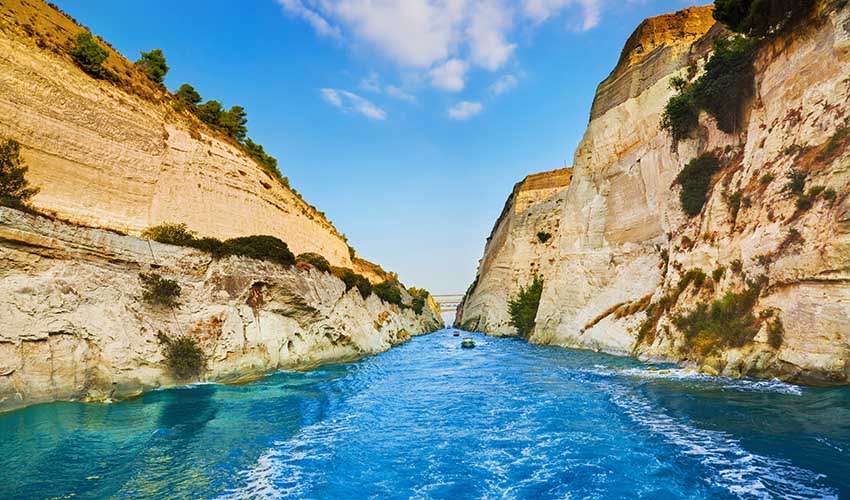
- Best time : June to August
- Time needed : 1 day
- Location : View on Google Maps
Corinth owes much of its charm to its famous canal, opened in 1893. It links the Gulf of Corinth to the Saronic Gulf and turned the Peloponnese from a peninsula into an island.
You can take a boat trip along this man-made waterway cut through the Isthmus of Corinth. An unusual and impressive experience during your holiday in the Peloponnese!
2. Visit the ancient city of Mycenae
Museum and Monument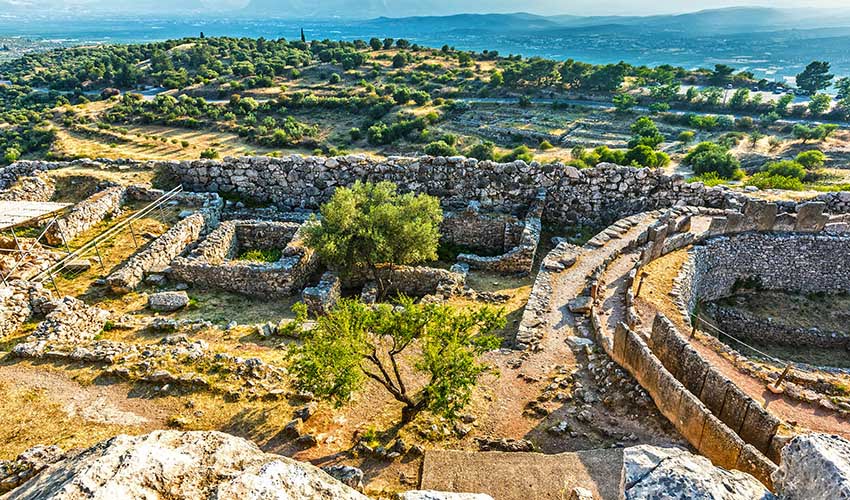
- Best time : May to October
- Time needed : 2 to 3 hours
- Location : View on Google Maps
A UNESCO World Heritage Site, Mycenae is one of the most important ancient cities in Greece. Located on the Argolid plain between the Corinth Canal and Nafplio, it is home to many fascinating structures.
Immerse yourself in the history of the Mycenaean civilisation as you admire the Lion Gate, symbol of the city’s protection, the Cyclopean walls, said in legend to have been built by a Cyclops, the Grave Circle, the Palace of Agamemnon, the Tomb of Clytemnestra and the Treasury of Atreus.
3. Get some fresh air in the Vouraikos Gorge
Nature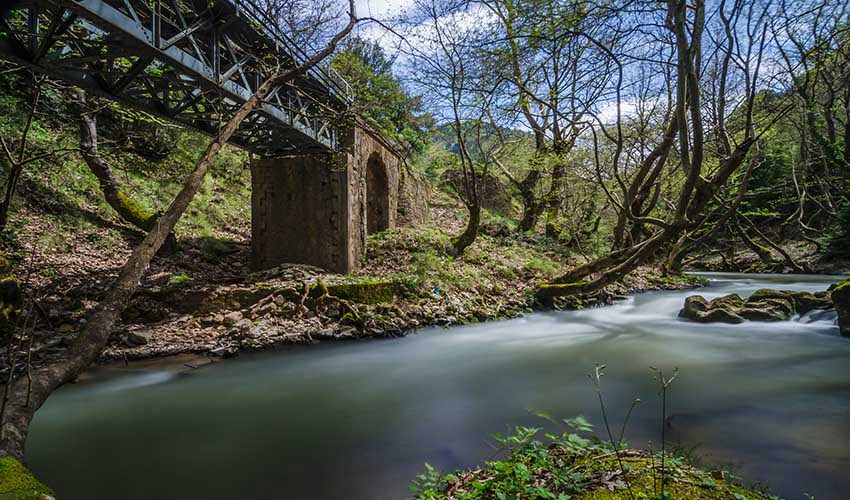
- Best time : April to November
- Time needed : 1 to 2 days
- Location : View on Google Maps
If you’re looking for an unusual activity during your holiday in the Peloponnese, head for the Vouraikos Gorge. This outdoor trip lets you admire the natural wonders the region has to offer.
Over the centuries, the Vouraikos river has carved magnificent gorges at the foot of the mountains. To take in the scenery, hop on the little rack railway that runs through the gorge. You’ll see pretty streams lined with lush greenery, dizzying cliffside peaks and countless tunnels and bridges cut into the mountain.
4. Visit the archaeological site of Olympia
Museum and Monument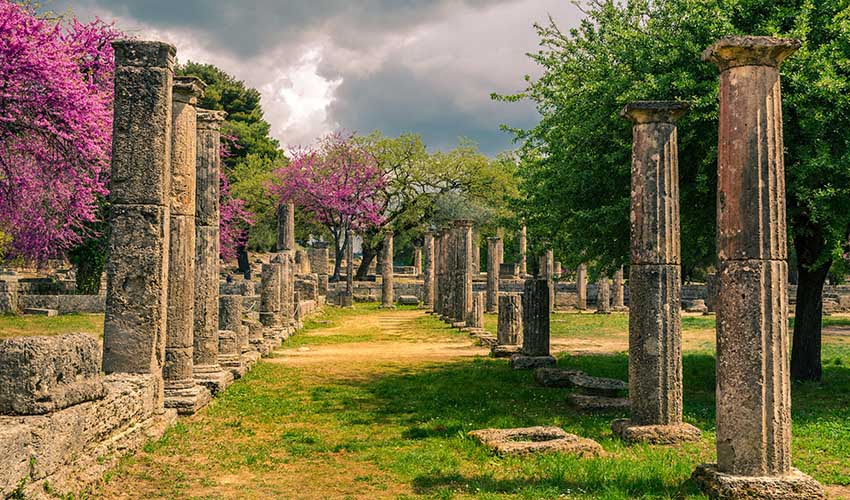
- Best time : April to October
- Time needed : 2 hours
- Location : View on Google Maps
You can’t visit the Peloponnese without stopping off at Olympia! The town lies in the north-west of the Peloponnese and is home to the archaeological site of Olympia, a UNESCO World Heritage Site.
It holds the remains of the sports facilities that once hosted the Olympic Games: the stadium, the Temple of Zeus, the Temple of Hera, the gymnasium and the Leonidaion. Your entry ticket also includes a visit to the museum right next door. It’s best to visit it before the ancient site so you can easily identify the remains afterwards.
5. Relax on Voidokilia beach
Nature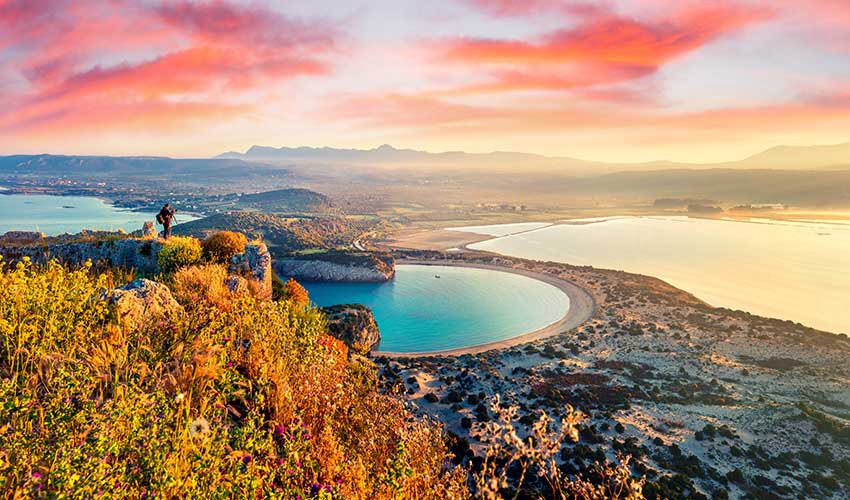
- Best time : June to September
- Time needed : 4 to 8 hours
- Location : View on Google Maps
On a trip to the Peloponnese, you’ll discover plenty of idyllic beaches. One of them is Voidokilia beach, tucked away on the Messinian coast near Pylos. What makes it special is its scallop-shell shape. This beach will catch your eye twice over.
It looks like both a saltwater lagoon and an exotic paradise where you can sunbathe and swim. Its turquoise water and fine sand make for a truly relaxing time. While you’re there, take a trip to Pylos castle, a pretty little citadel with breathtaking sea views.
6. The Sanctuary of Asclepius and the theatre of Epidaurus
Museum and Monument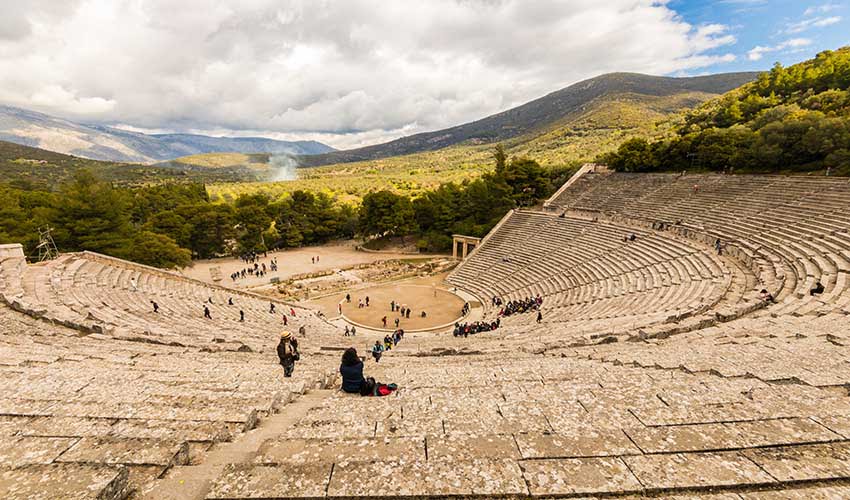
- Best time : May to October
- Time needed : 2 to 3 hours
- Location : View on Google Maps
Epidaurus is a small Greek town in the north-east of the Peloponnese, near Nafplio. It is best known for its remarkably well-preserved ancient theatre, part of the sanctuary dedicated to Asclepius, the Greek god of medicine. You can still watch plays there every year during the Athens Epidaurus Festival. Other remains to see at Epidaurus: the gymnasium, the stadium, the tholos and the Temple of Asclepius.
Book a skip-the-line ticket for the sanctuary7. Nafplio
Place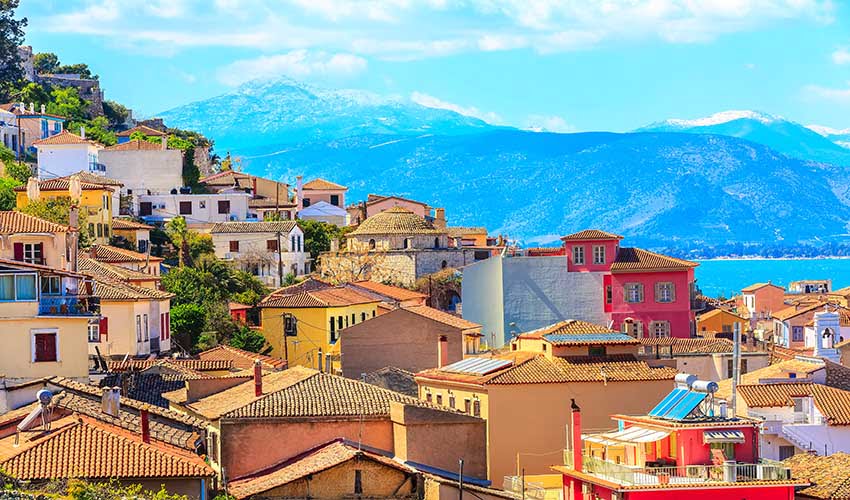
- Best time : May to October
- Time needed : 1 to 2 days
- Location : View on Google Maps
Nestled on the Argolic Gulf, Nafplio is a colourful little seaside town you really mustn’t miss on a holiday in the Peloponnese. The former capital of Greece, it is home to several historic landmarks such as the Palamidi and Akronafplia fortresses, as well as the islet of Bourtzi.
Take time to wander its picturesque lanes lined with pretty houses and grab a table at one of the town’s many cafés. This charming seaside town is well worth a day of your time.
8. Palamidi fortress
Museum and Monument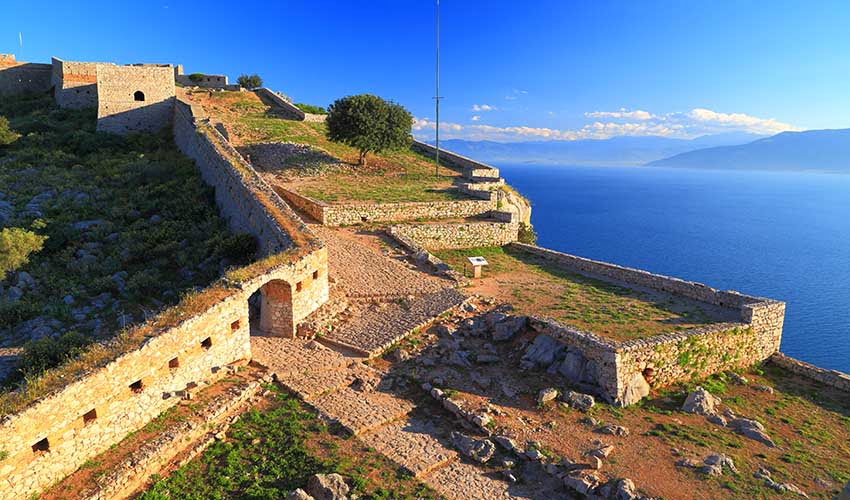
- Best time : In the evening
- Time needed : 1 hour
- Location : View on Google Maps
Palamidi fortress is one of the must-see attractions on your next trip to the Peloponnese. Perched on top of the Palamidi rock, the fort towers over the town of Nafplio, the sea and the surrounding countryside. The bravest will climb the famous “999 steps” leading up to it. If you’re on holiday with children, though, there’s a car park right next to it to make getting there easier.
9. Patras
Place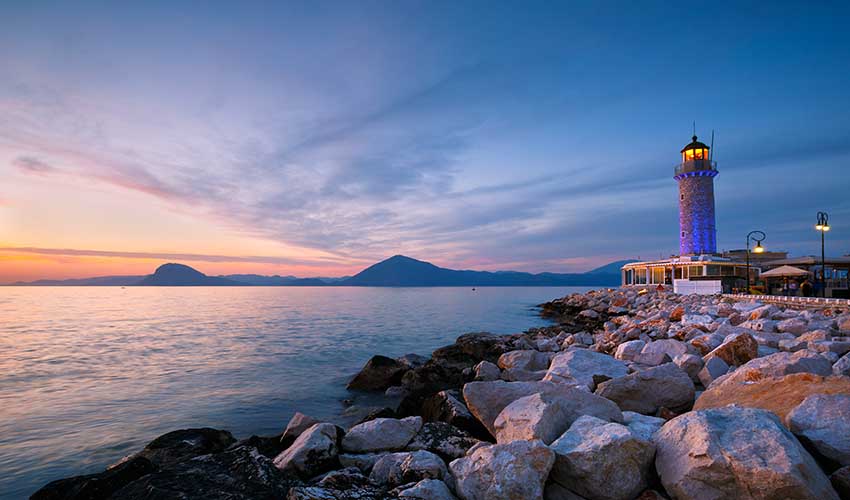
- Best time : April to October
- Time needed : 1 day
- Location : View on Google Maps
In the north of the Peloponnese, Patras is Greece’s third-largest city and has the main port for the Ionian Islands. Built on a hillside, Patras is split into two parts. On one side is the lower town with its port and shops. On the other is the upper town, built by the Byzantines.
If you’re a fan of ancient history, the Archaeological Museum of Patras will probably be your favourite visit. Other must-sees in Patras: the Roman Odeon, the medieval castle, King George I Square and St Andrew’s Cathedral, not forgetting a relaxing visit to the Turkish baths and a wander through the old quarter of Patras!
10. Tiryns
Museum and Monument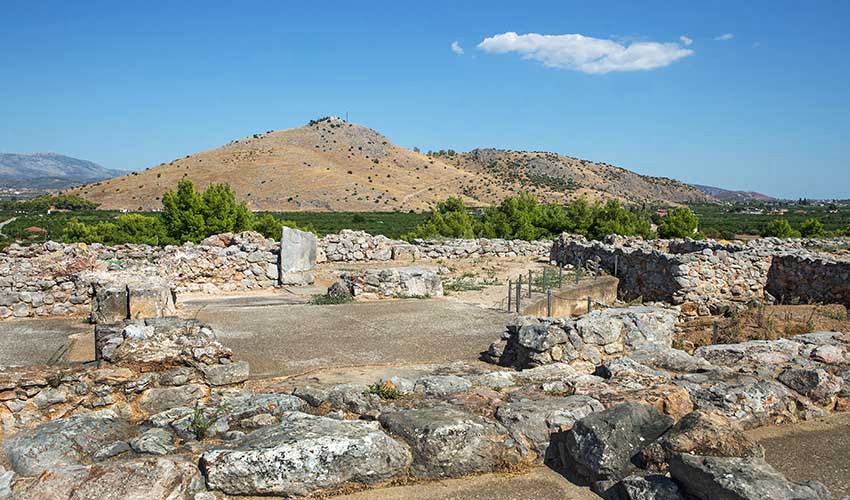
- Best time : June to August
- Time needed : 2 hours
- Location : View on Google Maps
Along with Mycenae, Tiryns has the most impressive ruins of the Mycenaean civilisation, which dominated the eastern Mediterranean from the 15th to the 12th century BC. Located south of Argos on a low hill, this archaeological site is steeped in legends and mythological heroes. It’s best visited early in the morning to avoid the crowds.
When to go to the Peloponnese and where to stay
JAN
 FEB
MAR
APR
MAY
JUN
JUL
AUG
SEPT
OCT
NOV
DEC
Greece has a Mediterranean climate that varies by region. The best time for a holiday in the Peloponnese is spring (23 °C on average), especially as Orthodox Easter brings festivities. Early autumn is ideal too: the sea is still warm, temperatures are mild and there are few visitors, so you can see everything in peace. Summer is lovely for swimming but can be very hot.
For a family stay in the Peloponnese, we recommend a resort, with an ideal location near the sea, entertainment and comfortable rooms. Greece is a magnificent country with so much to discover: read our article on the best destinations in Greece to help you choose.
In Monemvasia, this hotel won us over and deserves its 9.3/10 on Booking.com. The setting is magnificent, the pools are lovely and there's a spa! We hired bikes to explore and joined guided walks run by the hotel staff: a superb holiday. Book this hotel
The Peloponnese in a nutshell: rafting, hikes, historic sites... Don't miss a thing!
You have two options. You can include the Peloponnese in a wider trip to Greece: fly to Athens, spend a few nights at a resort near Athens, then hire a car at Athens airport and drive to the Peloponnese (about 2 hr 20 min). Or fly direct to Kalamata, in the south-west of the Peloponnese, with easyJet, Jet2, British Airways or TUI from the UK in season, taking about 3 hr 45 min.
To explore the Peloponnese, you really need to hire a car, as public transport is very limited. Book one to pick up and return at the airport: the most practical option for seeing every corner of the region at your own pace.
If you're travelling with teens, we recommend an afternoon rafting on the Lousios River, with thrills and lovely scenery along the way. If rafting isn't your thing, you can hike the Lousios Gorge instead. And don't miss the citadel of Mycenae and the theatre of Epidaurus, two unmissable historic sites!
Which local specialities should you try?
Tasty and generous, Greek food is an essential part of discovering the Peloponnese! Local tavernas serve all kinds of grilled meat and fish, plus the famous meze to share, such as hummus or tzatziki, and the region is known for its herby stews and vegetable dishes in sauce.